Orly Cogan and Robert Mann: Behind the Lens & Through the Needle

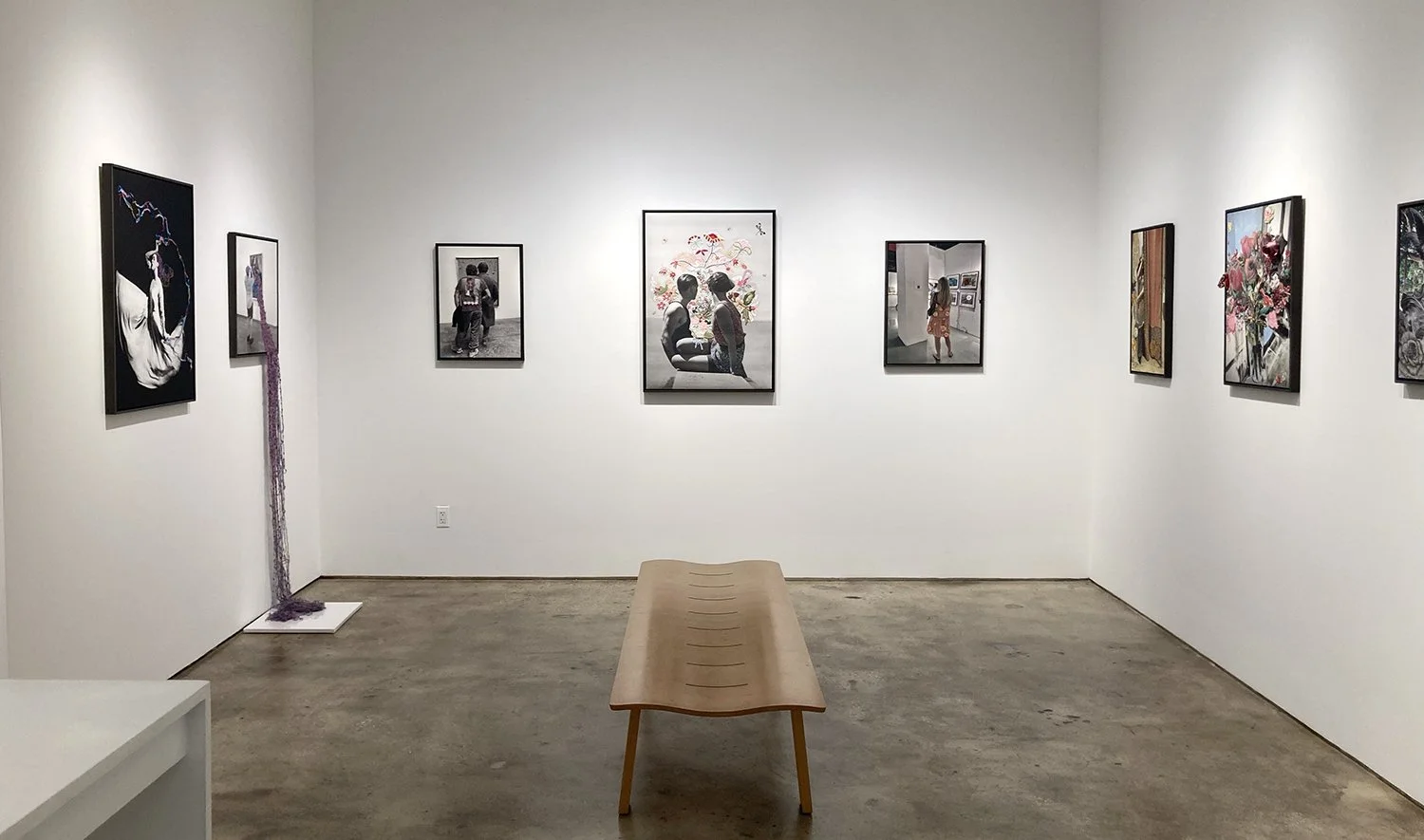
Behind the Lens & Through the Needle installation


ArtSpiel Interview with Orly Cogan and Robert Mann

Artist Orly Cogan and director and owner Robert Mann sit down with ArtSpiel to discuss their decades-long partnership and Cogan's solo show at the gallery, Behind the Lens & Through the Needle. They elaborate on the union of fiber and photography, their artistic influences on each other, and the creative act of viewing art.
Read the full article.

Mary Mattingly Named a Winner of 2026 Environemental Grants

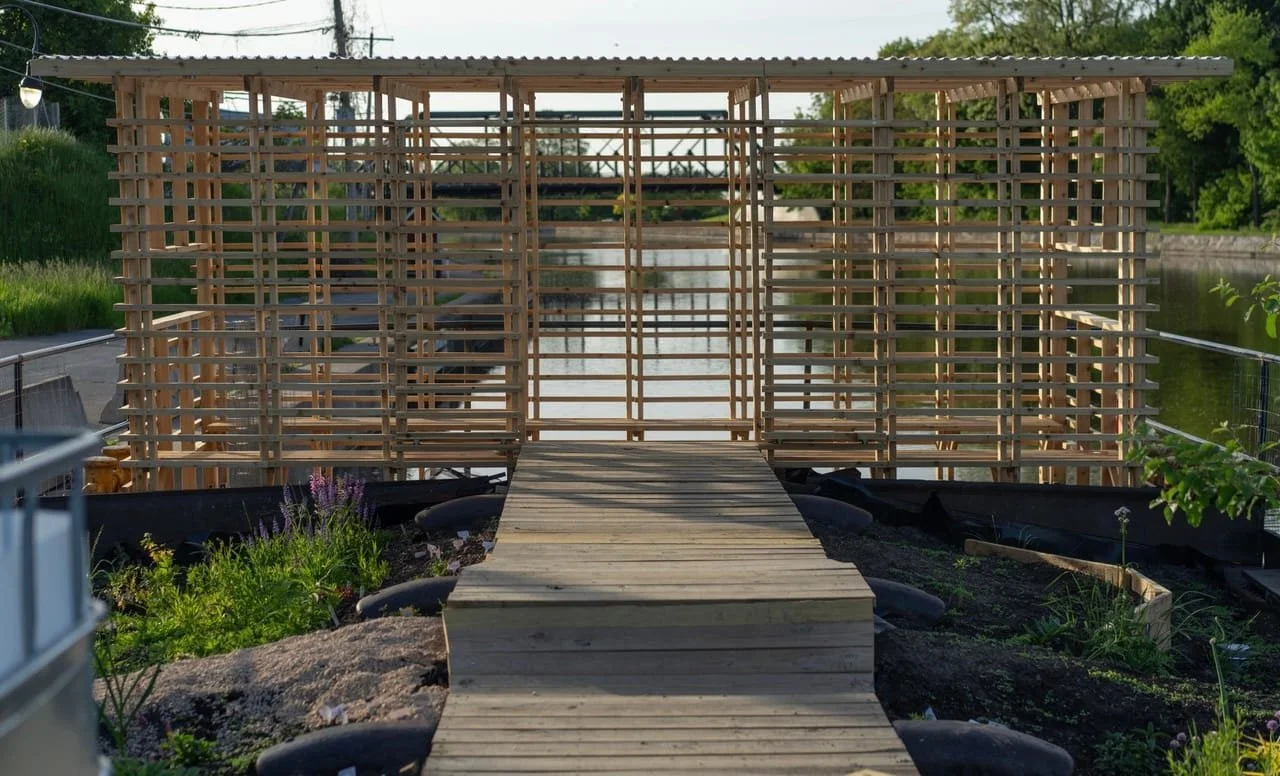
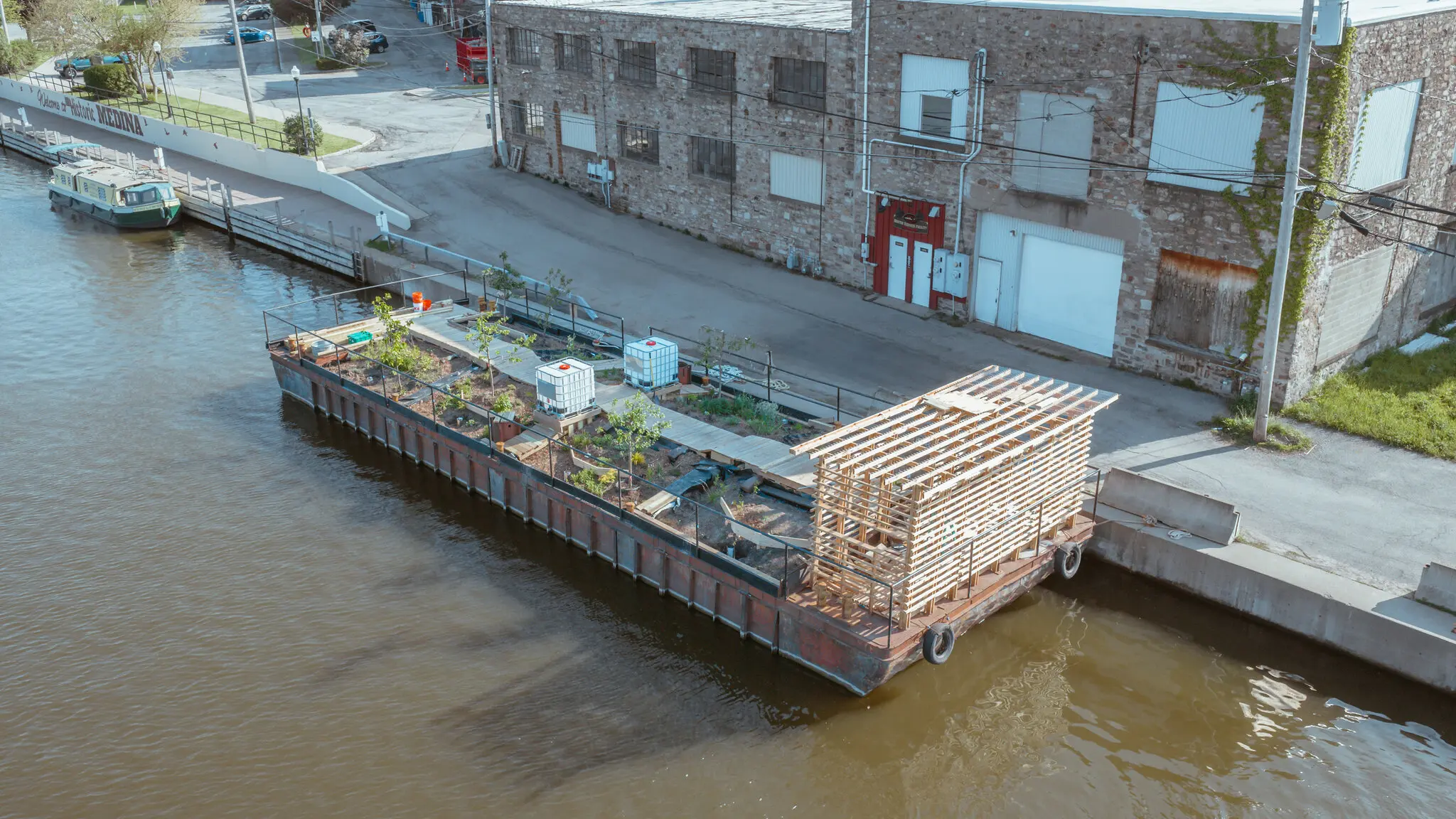
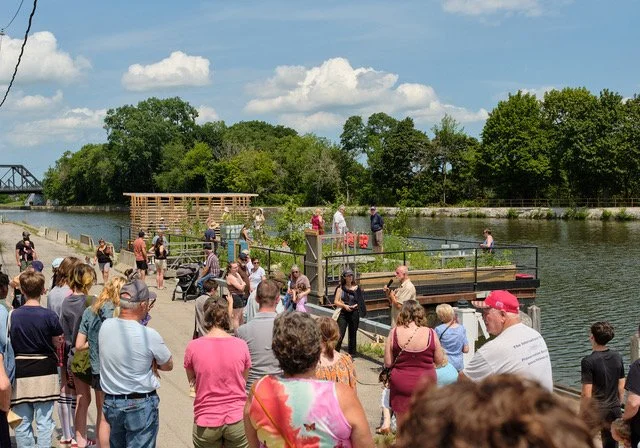
Mary Mattingly’s Floating Garden, Erie Canal, Medina, NY, image by Dawson Andrews, courtesy Medina Triennial

Artforum discusses the newly announced winners of the AWAW Environmental Art Grants program

Mary Mattingly has been announced as a grant recipient of the Anonymous Was a Woman (AWAW) Environmental Art Grants program. In collaboration with the New York Foundation for the Arts, AWAW announced the recipients this month: "Twenty-seven projects led by women-identifying artists from across the United States and its territories whose work addresses ecological concerns will receive grants of up to $20,000 apiece, with funding totaling $498,180. The winners were chosen from among a pool of 1,206 applicants—the largest number to date—and include those whose projects are located in California, Guatemala, Iowa, Nevada, New York, Panama, and Puerto Rico."

Read more here.

Interview with Orly Cogan

Orly Cogan, Held Abundance, 2026

By Helen Adams for Textile Curator

In anticipation of her solo show with the gallery, Orly Cogan discusses the development of her artistic practice, her evolving efforts to infuse feminist principles into her work, and her recent integration of photography within her new body of work. 

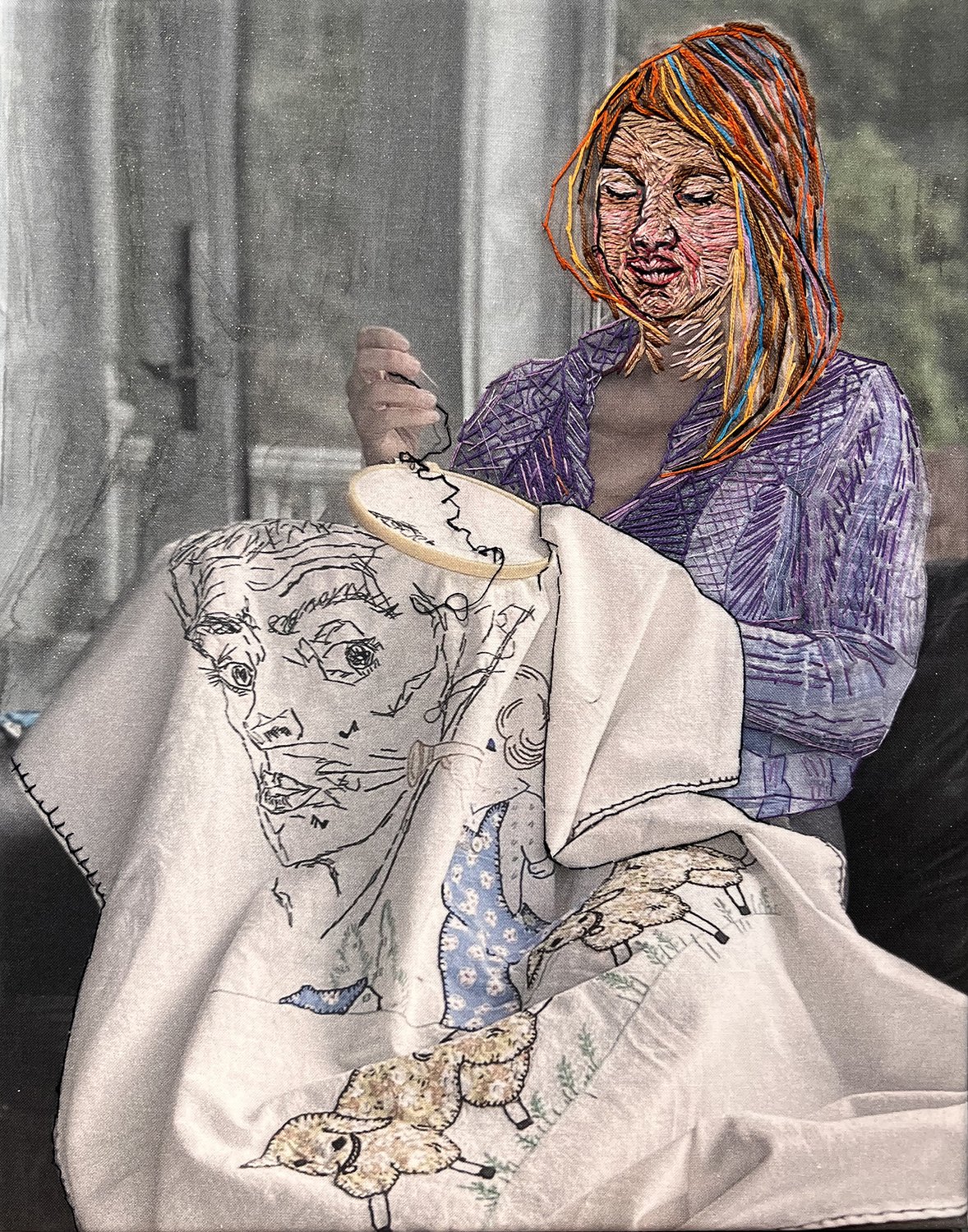
"At a certain point, it felt natural to bring these two languages [photography and textiles] together. A photograph captures a particular moment, while stitching is slow, physical, and accumulative. By adding thread, felt, and other textile elements to a printed image, I can interrupt the photograph and move beyond what it initially records. The surface becomes both an image and an object, combining the immediacy of photography with the intimacy, touch, and labor of my hand." -Cogan 

Read the full feature.

Art as Infrastructure at the Medina Triennial

Mary Mattingly, Floating Garden, 2026, Courtesy of the Medina Triennial

Mary Mattingly featured in Hyperallergic's review of the Medina Triennial

"MEDINA, N.Y. — It was artist Mary Mattingly, known for her large-scale, often livable floating structures that address climate change in the form of rising water, who first told me about the Medina Triennial about a year ago. Knowing that Mattingly was launching her Floating Garden (2026), a new, permanent iteration of Swale, a publicly accessible edible garden she first launched on New York City’s East River in 2016, was enough to get me to Medina. But having attended the opening weekend of the Venice Biennale the month before, I was wary of traveling to see art at a time when so much of the world is in crisis."
-Sara Reisman, Hyperallergic

Read the full article. 

"The Door Slid Open and My Jaw Dropped": the Astonishing Sculptures Only Ever Seen by 20 People

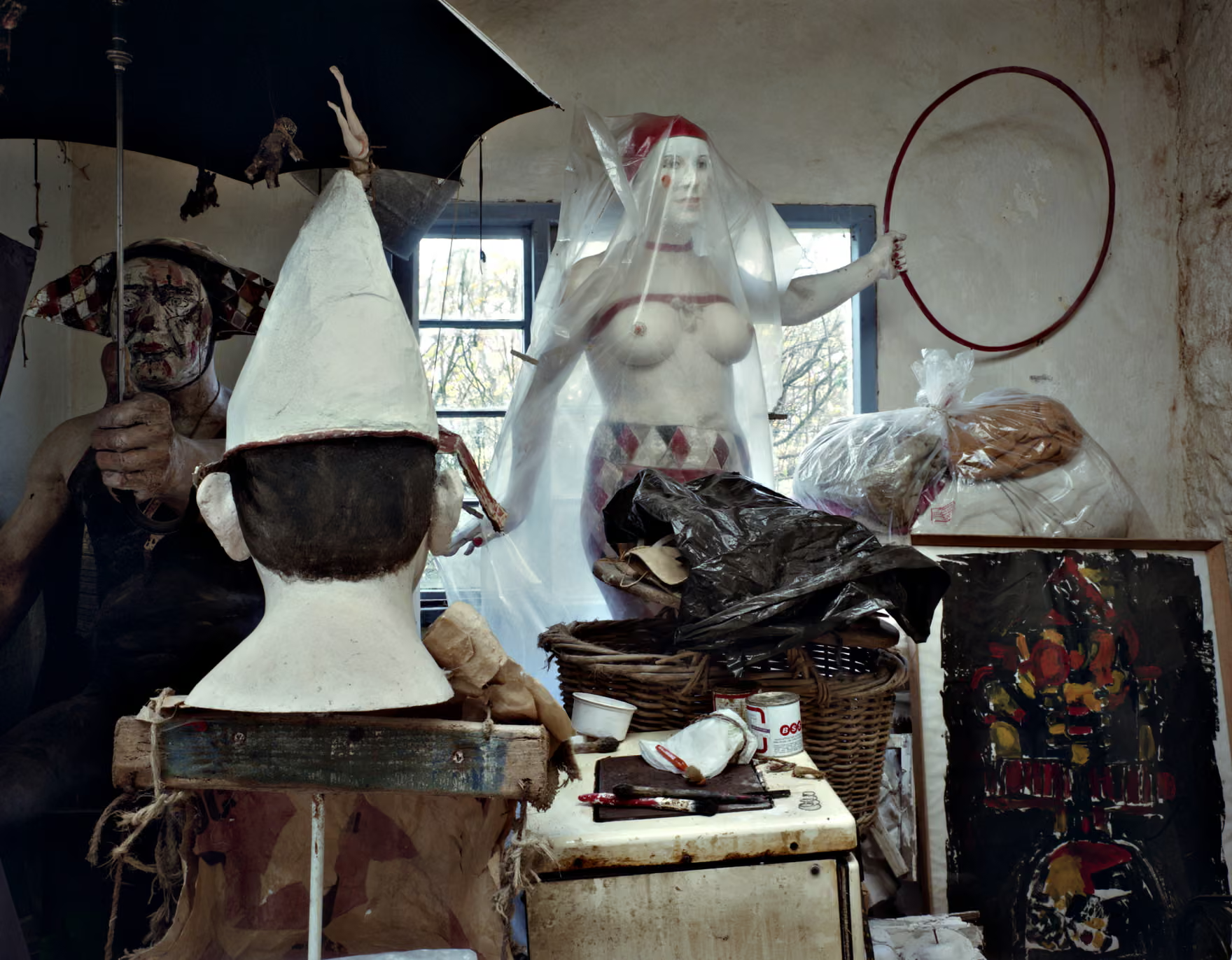
Image from Jem Southam’s book, Ray’s Sheds

Jem Southam's new book reviewed in The Guardian

Ray Exworth (1930–2015) spent six decades creating one of Britain’s most extraordinary bodies of sculpture – and almost nobody has seen it. Hidden inside a labyrinth of sheds on a remote Cornish smallholding, his vast, obsessive constructions have remained locked away from the world, visited only by a fortunate few. Even his wife Susie, 92, was largely kept out. “I could not visit without an invitation!” she recalls.
…
A new book by photographer Jem Southam, Ray’s Sheds, provides unprecedented access to Exworth’s stunning work for the first time. Southam believes only 20 people have seen inside Ray’s sheds. His book is not only a detailed document of an exceptional art practice that may never otherwise see the light of day, but an intriguing inquiry into what it means to be an artist – and what the purpose of art is – when it is never publicly seen.

Read the full article.

Orly Cogan Brings Images to Life with Needle and Thread

Orly Cogan, Stitching Schiele, 2021

By: Dorothé Swinkels

Orly Cogan's practice is featured in the Dutch magazine, TxP (Textiel Plus). The article explores the artistic development of her practice, her hybrid approach to textile art, and transforming a photograph "into a tangible, living surface" through embroidery.

"Orly redefines embroidery not as decoration, but as an intimate, poetic, and contemporary language that simultaneously evokes a surrealist embrace of dreams and the irrational. Subtly yet emphatically, her embroidered tableaus draw upon the feminine as a source of sensitivity, humor, and resilience. The softness of the yarn forms a stage for disarming truths, where childlike wonder coexists with cultural criticism. Her practice builds upon the feminist revaluation of needlework, pioneered by artists such as Miriam Schapiro, Louise Bourgeois, and Judy Chicago."

Read the full article here, and below.

Meet the Women Who Shaped Japanese Photography

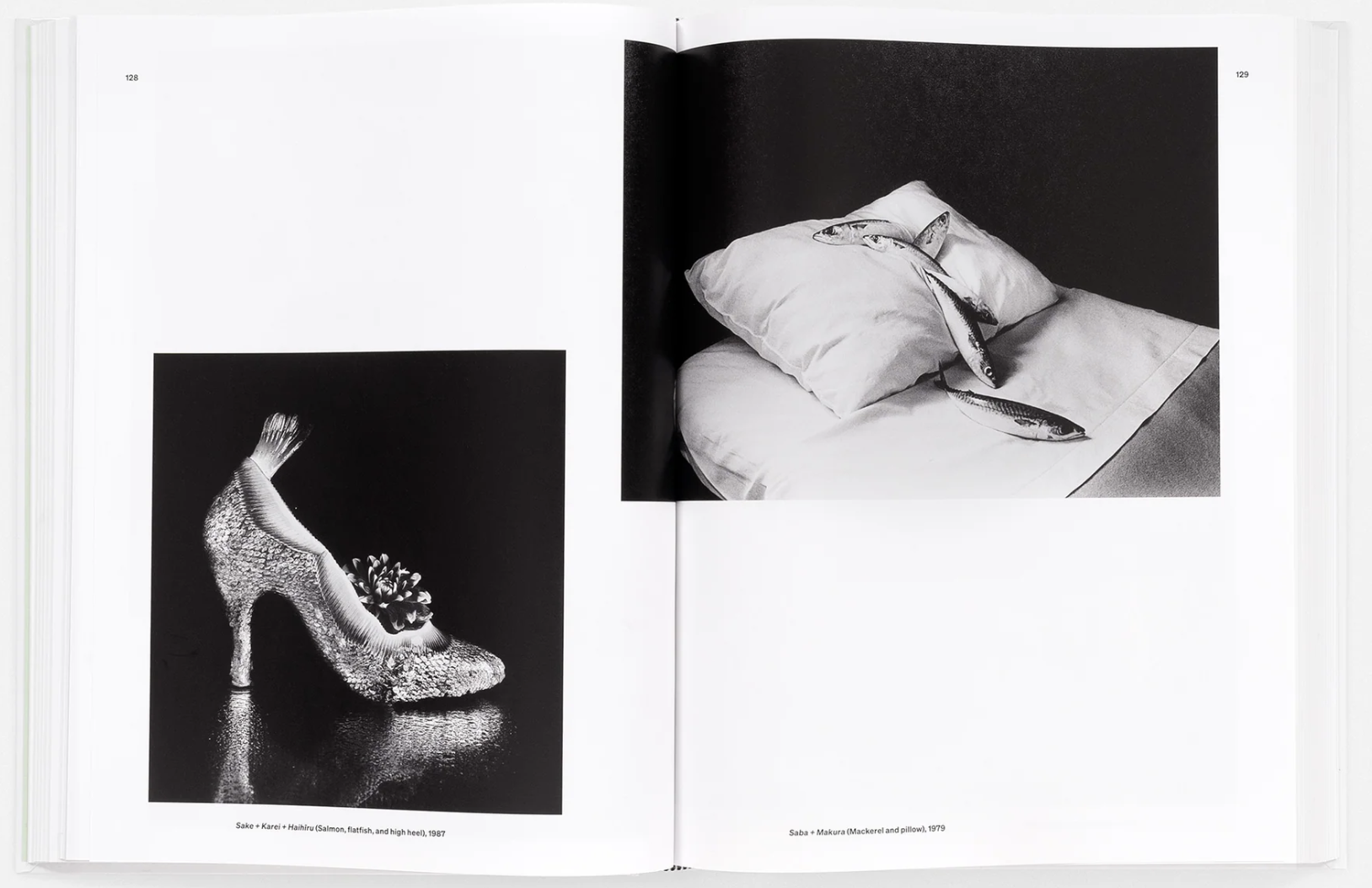
Page spread from I’m So Happy You Are Here: Japanese Women Photographers From the 1950s to Now

Mickiko Kon, Sake + Karei +Haihiru (Salmon, flatfish, and high heel), 1987; Michiko Kon, Saba + Markura (Mackerel and pillow), 1979

Michiko Kon included in a landmark retrospective and Aperture Publication

A recent article in Tokyo Weekender covers the landmark retrospective, I’m So Happy You Are Here: Japanese Women Photographers From the 1950s to Now, in Tokyo, Japan. Drawn from a 2024 book of the same title, the exhibition gathers over 200 works by 30 women artists from postwar Japan to today, including Michiko Kon. Eugenie Shin writes: "...while Western institutions had spent decades focusing on the grit and conceptual genius of Japan’s male photographers, their female contemporaries’ innovations had been left untranslated and unarchived abroad." This restorative history presents a wide range of photographic approaches brought to bear on the lived experiences and perspectives of women in Japanese society.

On Michiko Kon: "Kon shot highly perishable sculptures she made herself — fish scales pinned on a dress, a high heel wrapped in chicken skin, fresh vegetables and insects arranged into uncanny shapes. These eerie, tactile gelatin silver prints capture the exact threshold between beautiful artifice and organic decay." —Shin

Read the full article.

The photobook, I’m So Happy You Are Here: Japanese Women Photographers From the 1950s to Now, is available for purchase on Aperture's website.

The exhibition runs from July 4 to August 26 at Hikarie Hall in Shibuya. More information here.

Cig Harvey: The Color of Life

Cig Harvey, Madeleine & Blue, Vinalhaven, 2023

A podcast interview with Cig Harvey for Right Eye Dominant


In this final episode of Right Eye Dominant’s fifth season, podcaster and artist Nick Tauro Jr. interviews Cig Harvey, as she discusses working with color photography, finding inspiration in the everyday, and merging the personal with the universal.

Listen to the full episode. 

The New York Times: History of American Utopia in 10 Acts

Mary Mattingly is featured as a key artist in the climate activism movement in an article exploring the significant experiments that have best captured the country’s idealistic spirit. 

By: Zoë Lescaze

Rethinking society requires imagination. Below are ten American movements from different eras of the country’s history and the defining works of art they produced.
....
10. Climate Activism
In the 2013 book, “Hyperobjects: Philosophy and Ecology After the End of the World,” the philosopher Timothy Morton came up with the term “hyperobject” to describe phenomena so “massively distributed in time and space relative to humans” they defy comprehension. Climate change is a hyperobject, according to Morton, which is what makes it so difficult to combat. Rather than despair at the scope of our current environmental crisis, though, the artist Mary Mattingly creates works of art that double as pilot programs in how societies might rethink broken systems. In 2016, she docked “Swale,” a barge supporting a garden of edible plants, in the South Bronx for locals with otherwise limited access to fresh produce. Anyone could come and pick as many herbs, fruits and vegetables as they wanted. Foraging in city parks is illegal, but the monumental sculpture helped local advocates and Parks Department officials establish the Bronx River Foodway, the first parkland where foraging is permitted. A new incarnation of “Swale” called “Floating Garden” is slated to return to New York City later this year.

Read the full article here.

Fragments of Light: Exploring Innovative Photography with Sandra Cattaneo Adorno

Tomasz Trzebiatowski, editor of FRAMES, Interviews Sandra Cattaneo about her Venice exhibition Fragments of Light

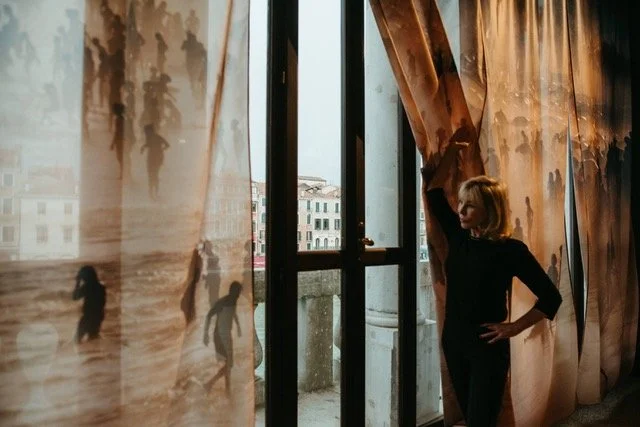
To mark the opening of her exhibition, Fragments of Light, Sandra Cattaneo Adorno walks Tomasz Trzebiatowski, editor of FRAMES, through the exhibition at Palazzo Bembo in Venice: exploring her series that emphasizes the interplay between light, medium, and viewer perception. Fragments of Light is presented in parallel with the 61st Venice Biennale, In Minor Keys, for the 8th Edition of Personal Structures: Confluences. The exhibition showcases Cattaneo Adorno’s transformative approach to street photography, enveloping us in a mellifluous blend of sight, sound, and motion to explore the inherent fragility and unstable experience of perception. Adorno is debuting three dimensional work, bringing together large-scale video installation, thirteen monochromatic photographs, and a new photomosaic installation of 24 prints.

Watch the interview here,